News
6 October 2026


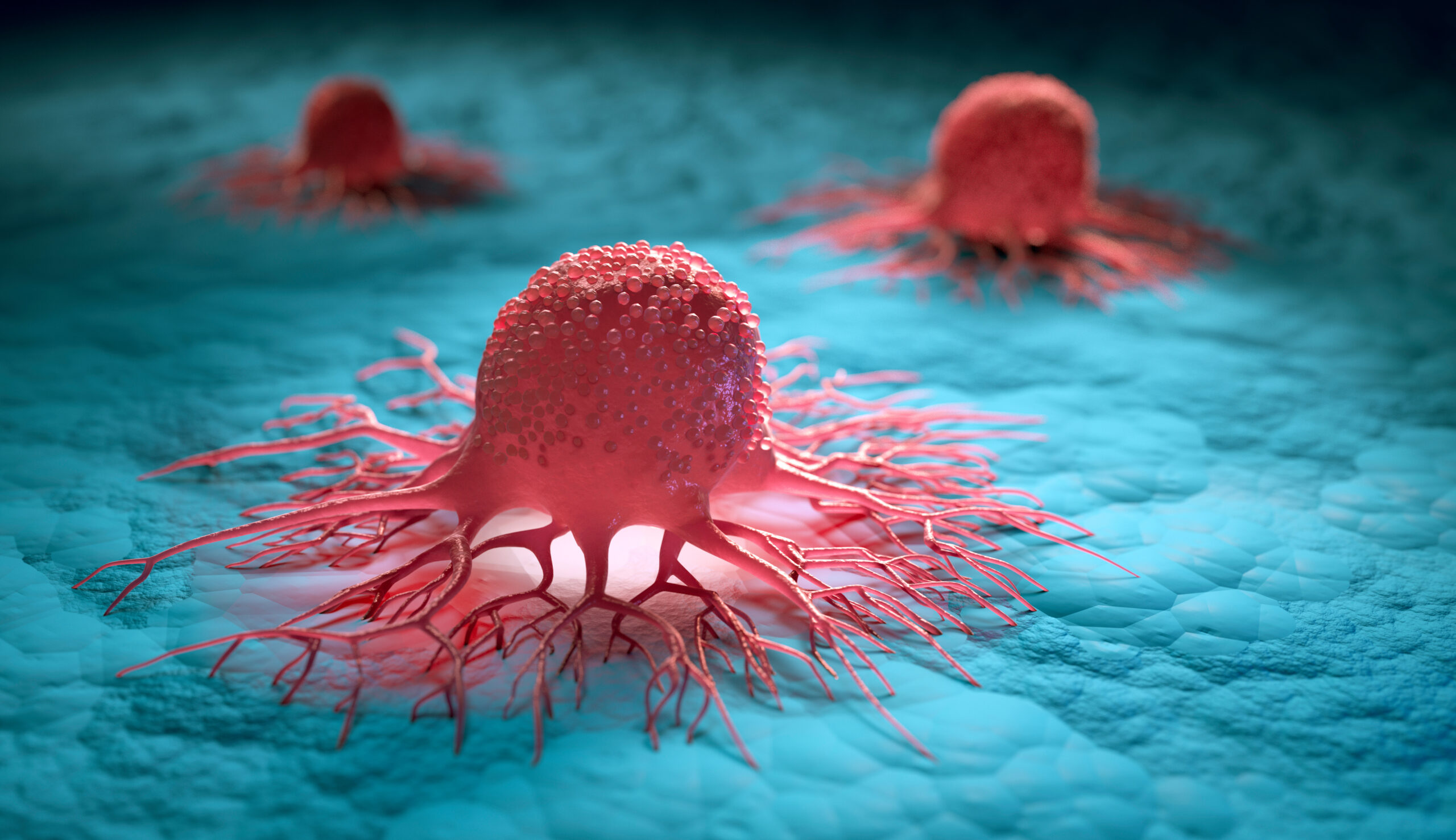
One of the most advanced cancer therapies on the ASX, Prescient Therapeutics’ (ASX: PTX) PTX-100 is a first-in-class technology which has seen the cancer halt or reduce in 100% of assessable CTCL patients and zero drug related serious adverse events.
Cancer has a huge impact on everyone on the planet. 1 in 5 people will get cancer in their lifetime, ~0.5% of global GDP is spent to fight the disease and over the next 30 years it is anticipated to cost the world more than US$25 trillion. PTX’s technology targets the RAS pathway which is involved in approximately 22% of all cancers globally.
They have chosen to use this technology and platform to initially target Cutaneous T-Cell Lymphoma (CTCL). A rare, potentially aggressive blood cancer with limited treatment options and genuine unmet clinical need, with a market anticipated to grow to US$1.2 billion by 2034 in the US alone.
In Phase 1b trials, all assessable CTCL patients saw a halt or reversal of their cancer, with zero drug related serious adverse events. The FDA has also recognised the significance of the program, granting both Fast Track and Orphan Drug Designation. The company is approaching commercialisation, now in Phase 2a to optimise dosing, Phase 2b has the potential to be the registrational study – meaning PTX could reach market without a Phase 3 trial, saving years and significant capital.
Their plan is to use their platform to develop new applications for cancers with RAS pathway involvement present in ~22% of cancers.
It took PTX nearly a decade, from securing the technology, to establishing the safety profile and efficacy of PTX-100 in Phase 1 trials. That foundation means the next indication can enter clinical trials as late as Phase 2, saving millions and years in development time.
The Technology – How PTX-100 Works and Why It Matters
Cancer is one of the leading causes of death globally, with tens of millions of new cases diagnosed every year. Despite decades of research and billions of dollars invested, most treatments have generally remained blunt instruments – targeting cancer after it has already taken hold, rather than preventing it from forming in the first place.
Of all those cancer cases, approximately 22% involve mutations along the RAS pathway – a family of proteins that regulate how cells grow, divide and die. When a mutation occurs, the RAS protein gets stuck in the “on” position. It cannot stop sending signals. The cell keeps growing and replicating, unchecked – causing cancer.
PTX-100 was developed specifically to stop this process.
PTX-100 is a first-in-class therapy, meaning it is the world’s first inhibitor of GGTase-1 to reach clinical trials – the enzyme that enables RAS proteins to attach to a cell membrane. By blocking GGTase-1, PTX-100 prevents the mutated RAS protein from anchoring to the cell membrane and, therefore, from ever sending the cancer-causing signal.
This is a fundamentally different approach to cancer therapy. Standard treatments like chemotherapy attack cancer cells after they have taken hold. Because these therapies cannot reliably distinguish cancerous cells from healthy cells, they can carry substantial collateral damage: anemia, bone marrow damage, immune related organ inflammation, gut lining damage, and immune suppression.
PTX-100 acts at the biochemical level, at the beginning of the process, before cellular damage. It does not attack the disease itself – it disrupts the underlying mechanism that causes it.
As this mechanism is not cancer-specific, PTX-100 has the potential to act against ~22% of cancers with RAS involvement as a foundational platform technology.
CTCL as the Initial Target Cancer – Where PTX-100 Sits Today
PTX’s first target cancer is Cutaneous T-Cell Lymphoma (CTCL). A rare, potentially aggressive cancer of white blood cells that manifests primarily in the skin. CTCL was selected as its a true orphan disease with strong RAS involvement and very limited treatment options that come with serious side effect rates. It represents a patient population in genuine clinical need that creates real urgency for the FDA and EMA to support new solutions.
PTX-100 has completed Phase 1 trials with every evaluable CTCL patient experiencing a halt or reversal of their cancer. Not one experienced a serious adverse event assessed as related to PTX-100.
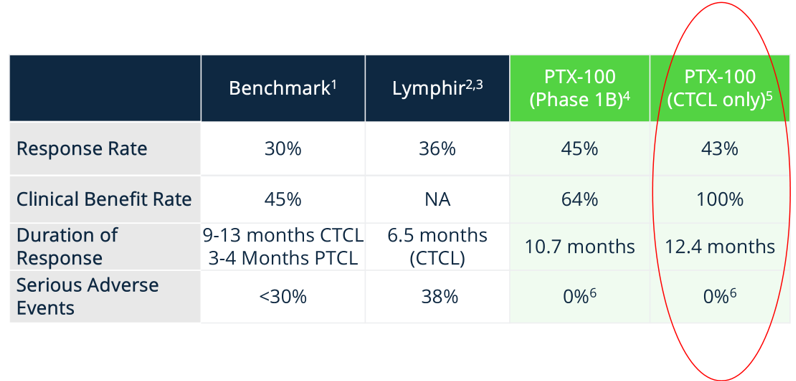
PTX-100 Phase 1b trial results – Source PTX
PTX is currently in Phase 2a trials, a multi-centre trial across Australia, the US, France and Italy, to optimise dosing. PTX has received increased access to the FDA after being granted Fast Track Designation with the potential for the Phase 2b study to be designed as a registrational study. If successful, this would allow PTX-100 to enter the market at the conclusion of Phase 2, bypassing Phase 3 trials, saving years and millions.
CTCL sees approximately 3,000 new cases per year in the US alone, in a market that is anticipated to grow to US$1.2bn by 2034. Critically, PTX-100 has been granted Orphan Drug Designation by the FDA and EMA, giving seven years of guaranteed US market exclusivity once approved (10 years in the EU).
The Two Stage Strategy to Deploy PTX-100 as a Platform Technology
As the first in class therapy, PTX has had to establish a two stage strategy. Initial focus is to prove that PTX-100 can deliver the results that CTCL patients need and then get it to market. Once foundational results and support is established they can then move to explore the platform potential of the drug for other indications (cancers).
They have demonstrated efficacy with the results from Phase 1b and now, with key FDA and EMA designations and Phase 2a optimising dosing, Phase 2b has the potential to serve as the registration study and accelerate PTX-100 as a marketable drug.
Building on the regulatory relationships, clinical learnings and scientific understanding accumulated through CTCL, PTX has a potential head start in identifying the next target cancer. In addition, because PTX-100’s safety profile is now established across both solid and liquid tumours through Phase 1 trials, each new cancer indication PTX targets can shorten or bypass Phase 1 and move directly into Phase 2a.
PTX-100’s clean safety profile also makes it an ideal candidate for combination use alongside existing therapies. A drug that enhances the effectiveness of other cancer treatments – with minimal toxicity – is a compelling proposition for licensing and partnership conversations with large pharmaceutical companies.
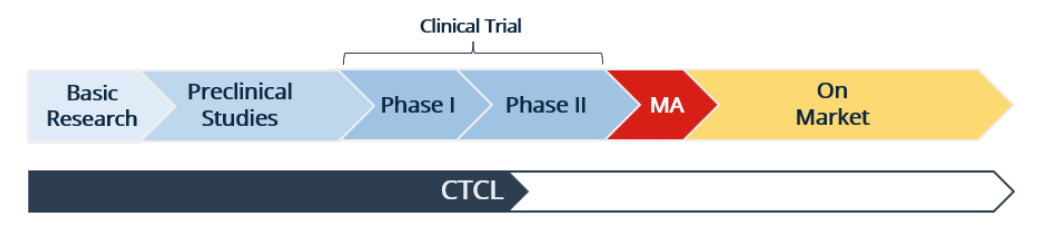
Potential for accelerated approval for PTX-100 (CTCL) – Source PTX
Underpinning this strategy is a team put in place to execute both clinically and commercially.
Along with internationally renowned blood cancer specialist Prof. Miles Prince, Dr. Marissa Lim adds deep clinical development and medical experience. CEO James McDonnell has spent 25+ years launching and commercialising hematology drugs globally, while Dr. James Campbell has transformed Chemgenex from a A$10m research company into a A$230m commercial success through the same FDA approval process PTX is now navigating.
PTX-100’s immediate purpose is to deliver an effective, safer treatment for CTCL patients. As a platform technology, each new target cancer potentially enters development at a more advanced clinical stage and adds to the platform’s value under a capital efficient, repeatable model, disrupting the RAS pathway present in approximately 22% of all cancer cases worldwide.